The 1%
Predicting Antarctic Soil Geochemistry

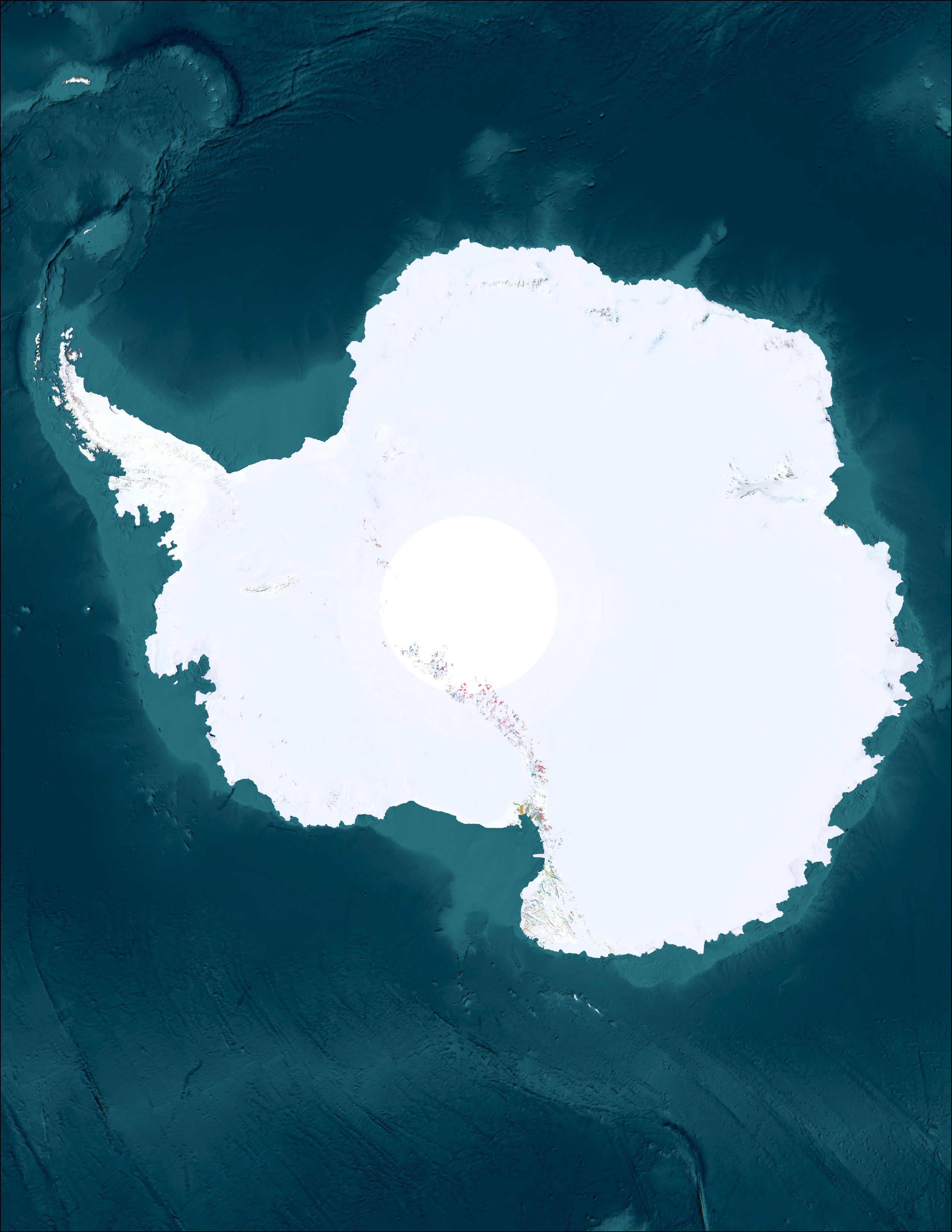
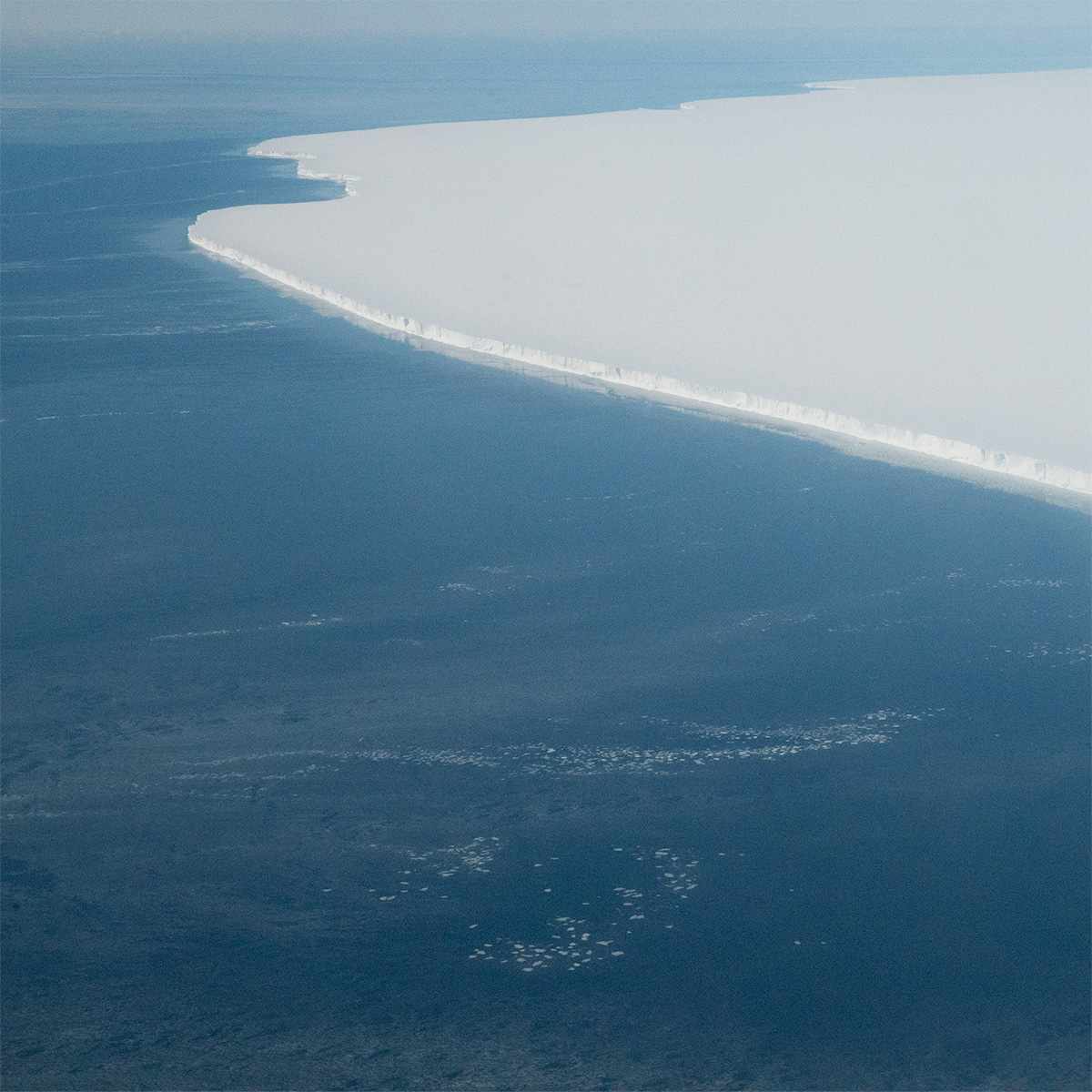
Antarctica is buried under a dense blanket of ice, spanning 14 million square kilometers making it the largest mass of ice on Earth.

Less than 1% of this continent is ice-free. And in that fraction lies almost all of Antarctica's biodiversity.

THE ECOSYSTEM

And in those exposed regions, buried deep beneath the ice, lies the substance that most people
never think about.

The soil

These arid, gravelly soils are shaped by
extreme cold and dry conditions.

This climate have created an incredibly
unique geochemistry that serves as the
baseline for everything that can survive here.

Despite low biological activity relative to other ecosystems, these soils support a diverse and unique set of organisms.

Without these unique soils and
conditions as a baseline,
none of this life could survive

SOIL CHEMISTRY BACTERIA, FUNGI & CYANOBACTERIA MITES, NEMATODES & TARDIGRADES MOSSES, LICHENS & FLORA KRILL, ICEFISH & BENTHOS SEALS, WHALES & PENGUINS

Thousands of expeditions have been made over the
past century in service of Antarctic geochemical
and environmental research

And yet the geochemistry of these
critical soils remains largely unmapped

These soils are barometers of environmental change
if we can't gain a good understanding of them,
we can't track what's changing, and what's being lost

And Antarctica IS changing.

Changing Conditions

As global temperatures rise, Antarctica's
ice shelfs are melting and exposing soils
that have been buried for thousands of years.

Having geochemical baselines is critical for understanding the impacts of these changes.

Approach 01 — Direct Sampling

One approach to gaining this understanding of these soils is to take a diverse array of thousands of samples from all 28 distinct
ice-free regions and analyzing their geochemical properties in a lab
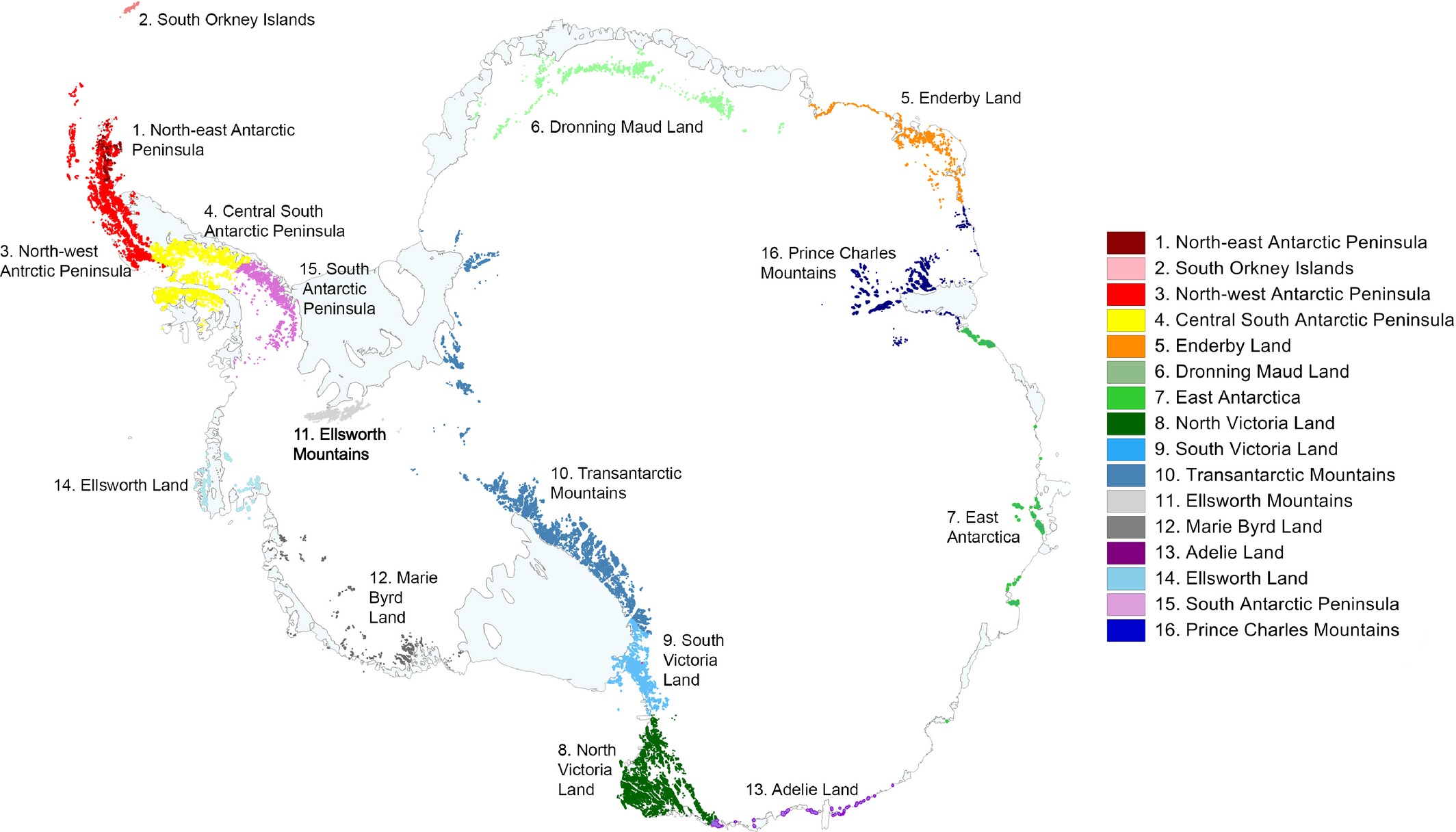
Antarctic Conservation Biogeographic Regions

Antarctic Conservation Biogeographic Regions (ACBRs)

But sampling everywhere just isn't realistic

Costly expeditions & lab work cost thousands
Short seasons inhibit
field work exhibitions
Remote areas further impede sampling
efforts
The reality

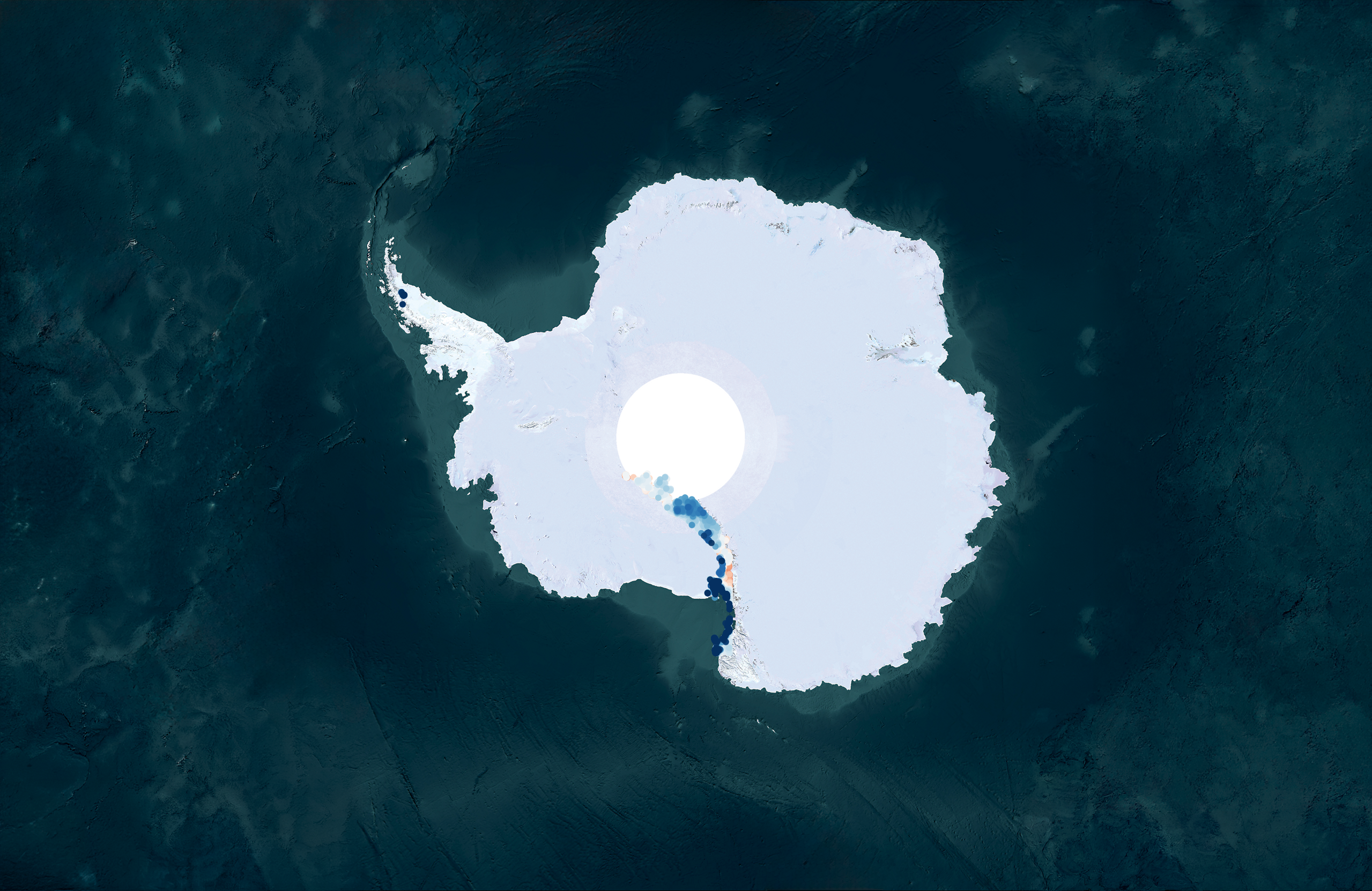
Because of these constraints, for the
entire continent, our lab has analyzed
just 171 samples in 4 regions

Ideal coverage would require thousands
of samples from all 28 ACBR regions.

What we have is a mere fraction of that.
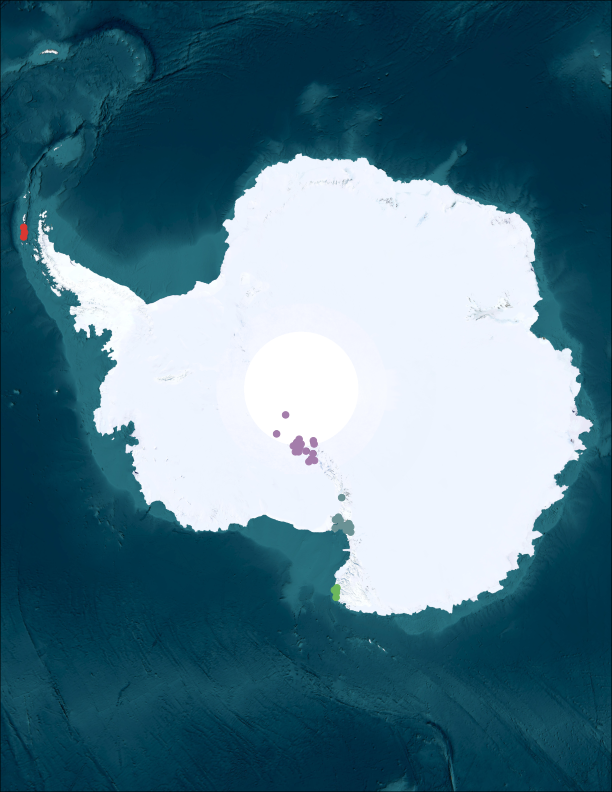
171 actual soil samples across 4 regions

171 samples · 4 regions · 28 locations

NW Antarctic Peninsula
Transantarctic Mountains
South Victoria Land
North Victoria Land
What We Do Have

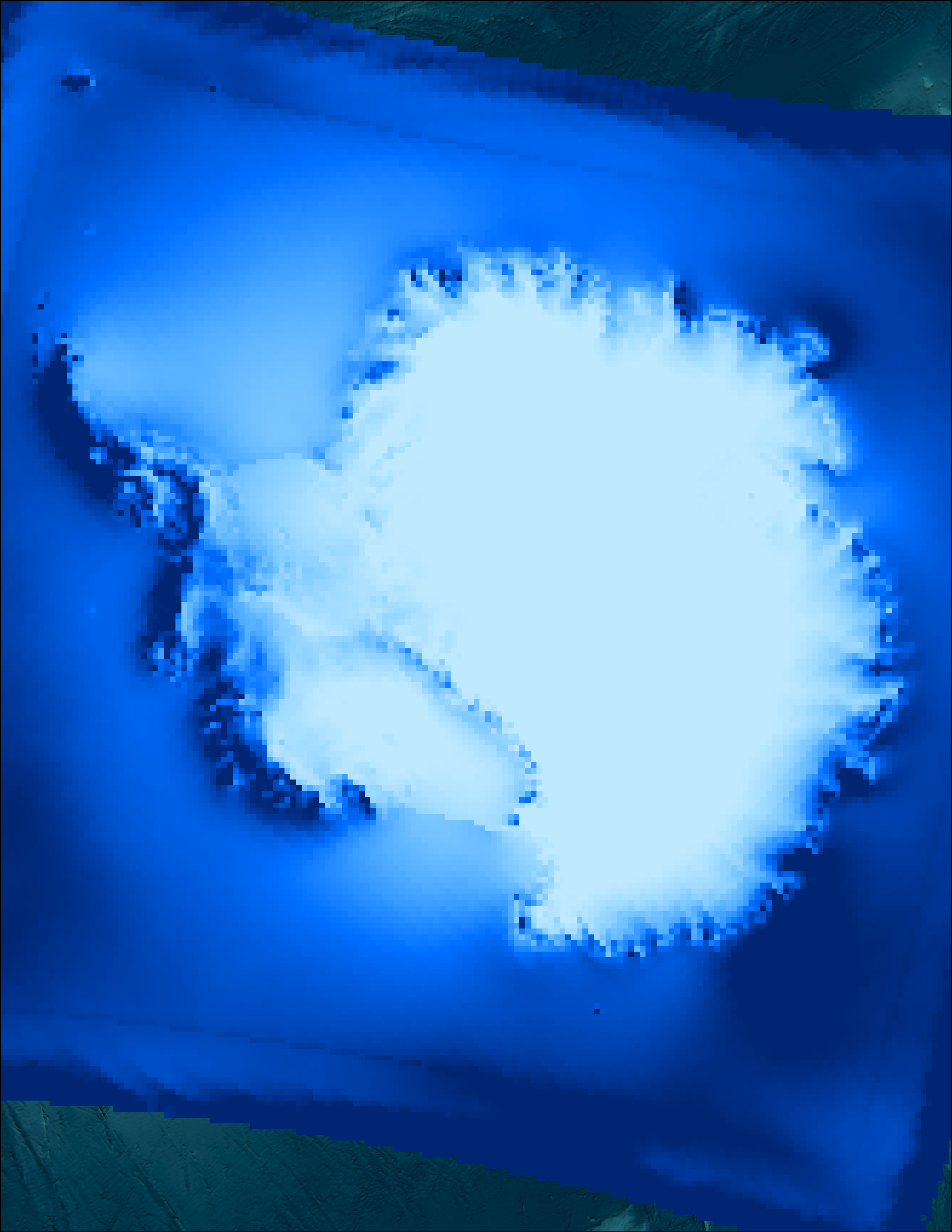
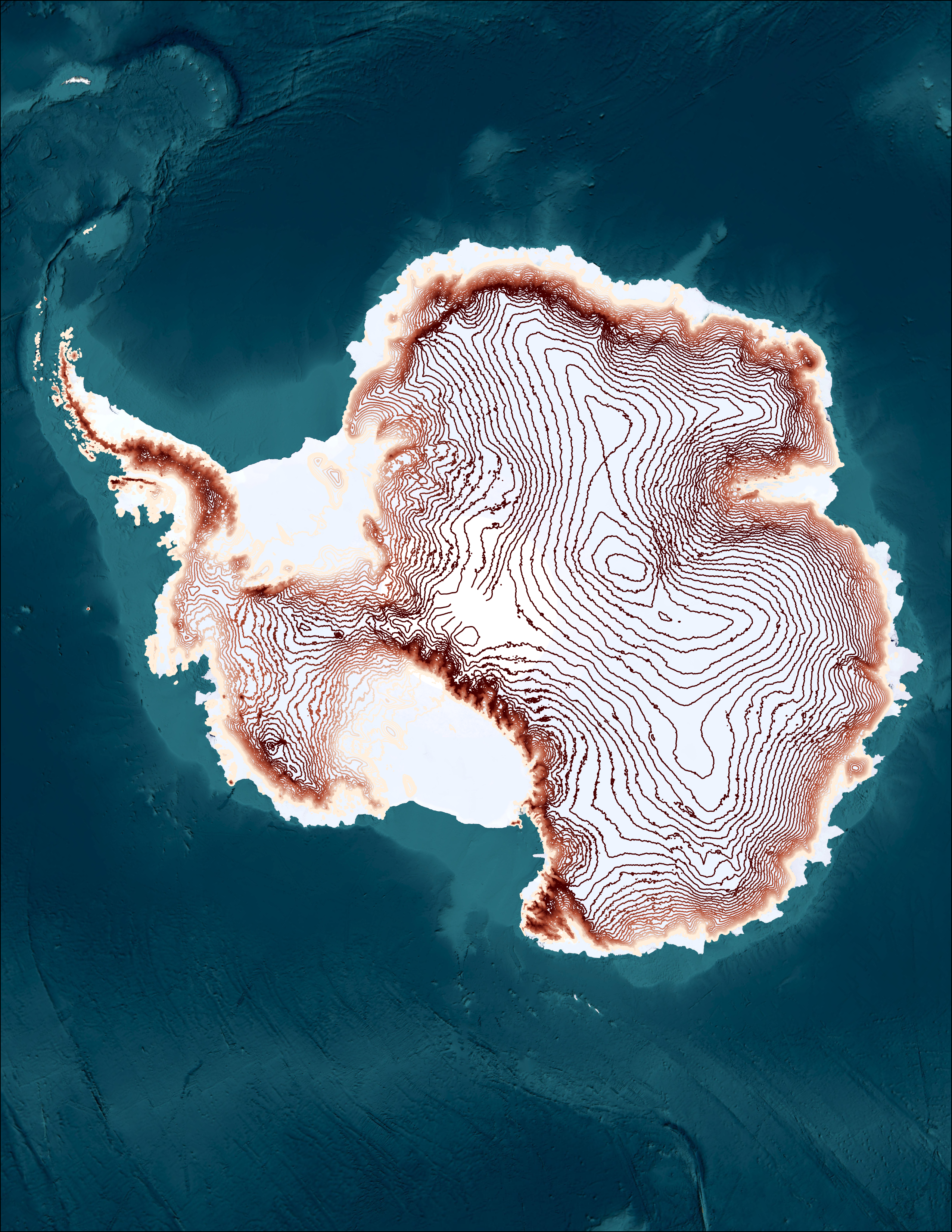
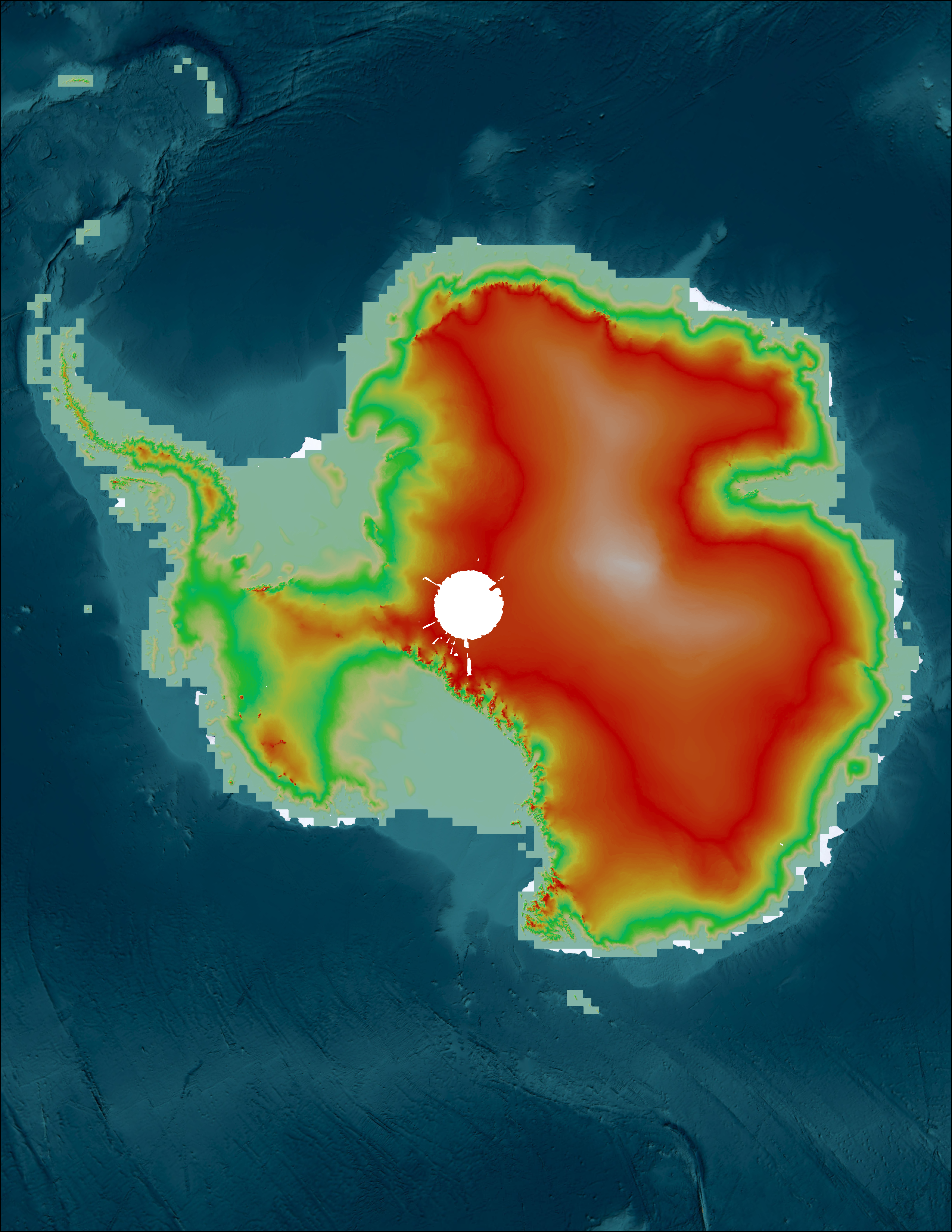
Open-access satellite data can give us detailed observations of the physical properties of every square meter of Antarctica's surface.

For our purposes, we sourced 9 layers of
spatially-derived environmental data.

Elevation Elevation
Precipitation Precipitation
Slope & Aspect Slope & Aspect
Lithology Lithology

However, there is another way to look at Antarctica,
one that doesn't require a single expedition

The approach

By combining our satellite data with our lab analysis
we can make detailed predictions about soil geochemistry


Machine learning algorithms can be used to learn the relationships between our different
data sources to make guesses about the conditions in places we've never been before

171 Soil Samples Known Spatial Data,
Known Geochemistry
+
Satellite Data Known Spatial Data,
Unknown Geochemistry
+
Machine Learning 3 ML Models
trained on both data types
New Predictions Continent-wide predicted soil chemistry
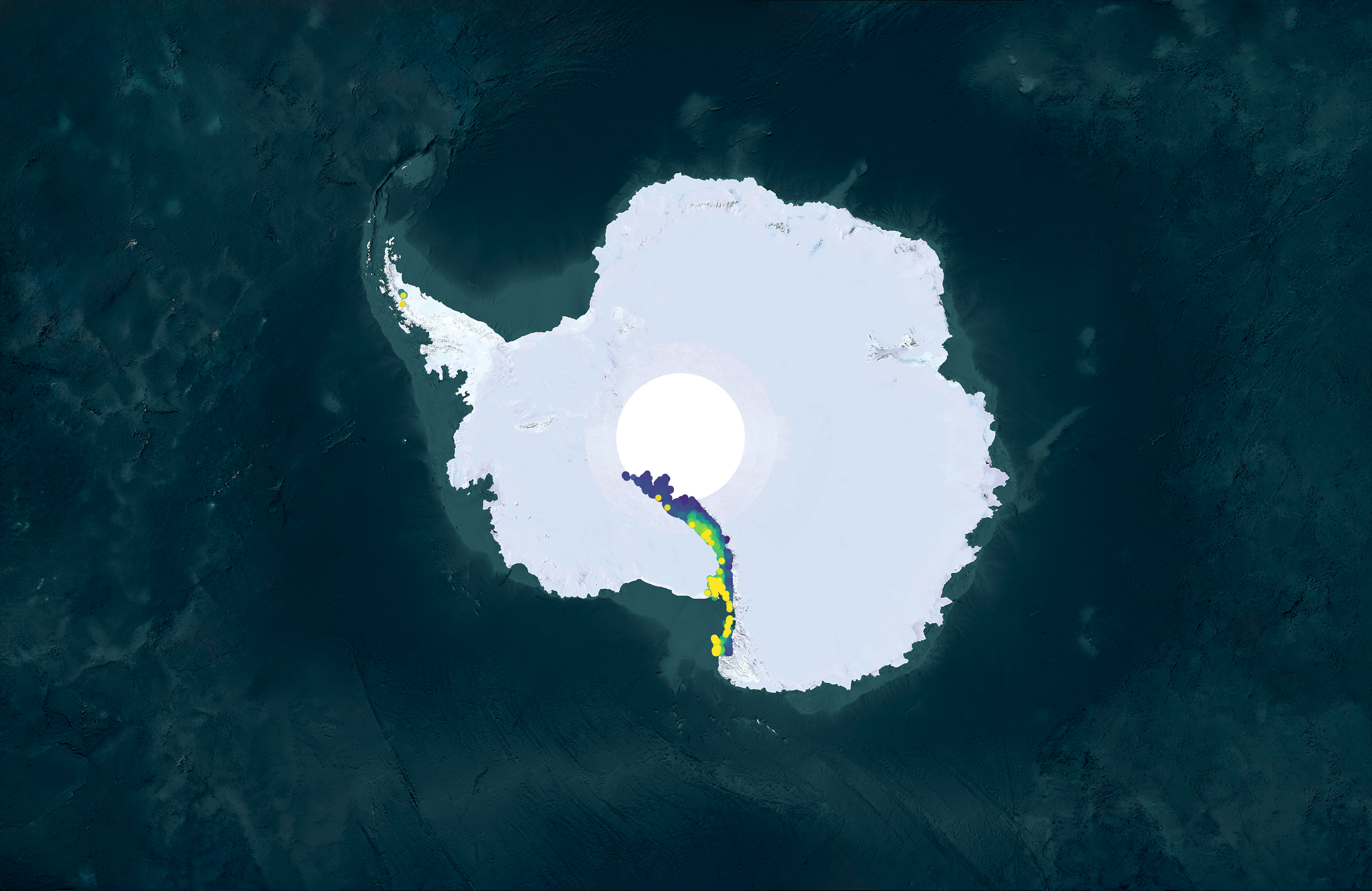
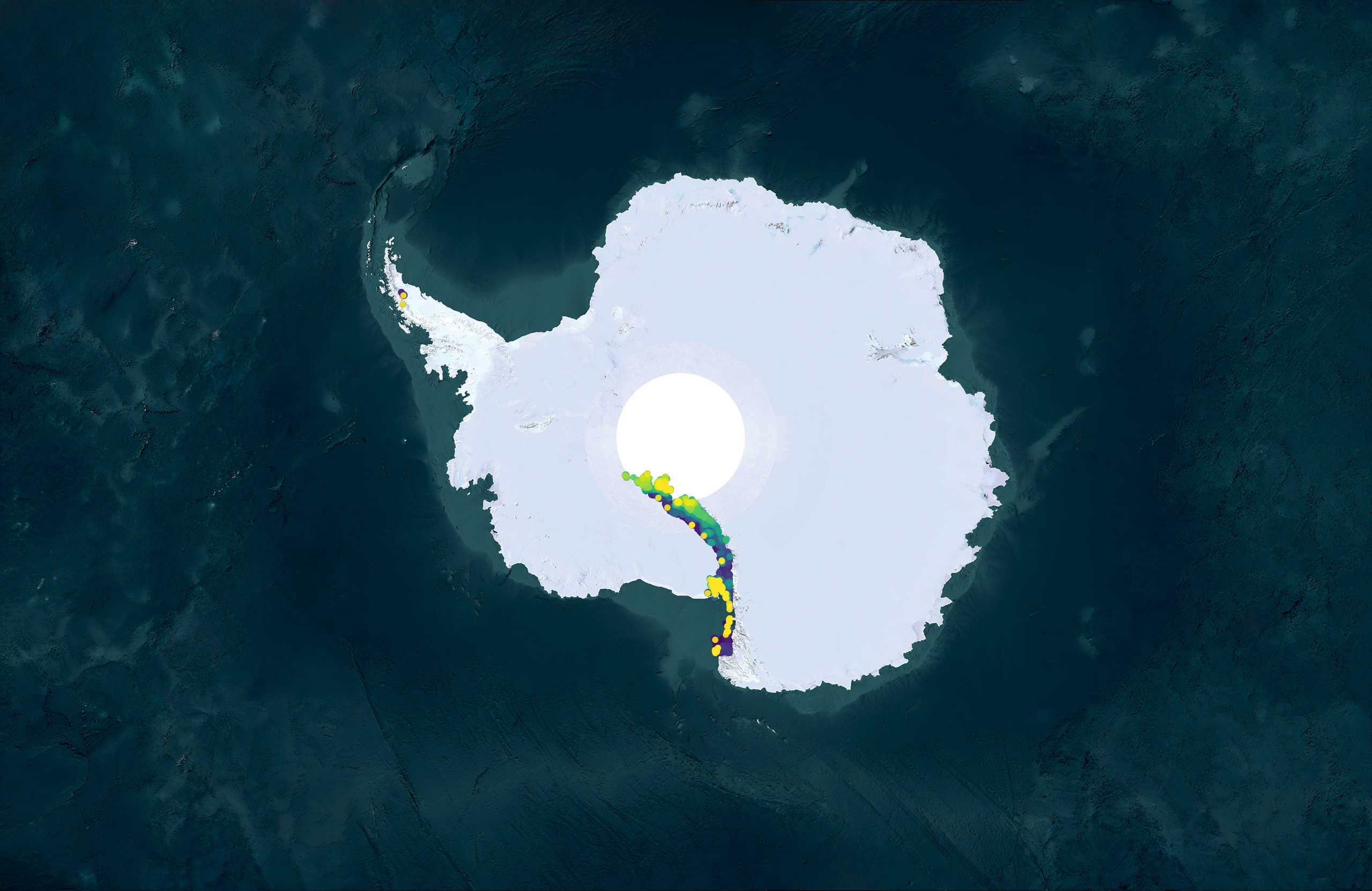
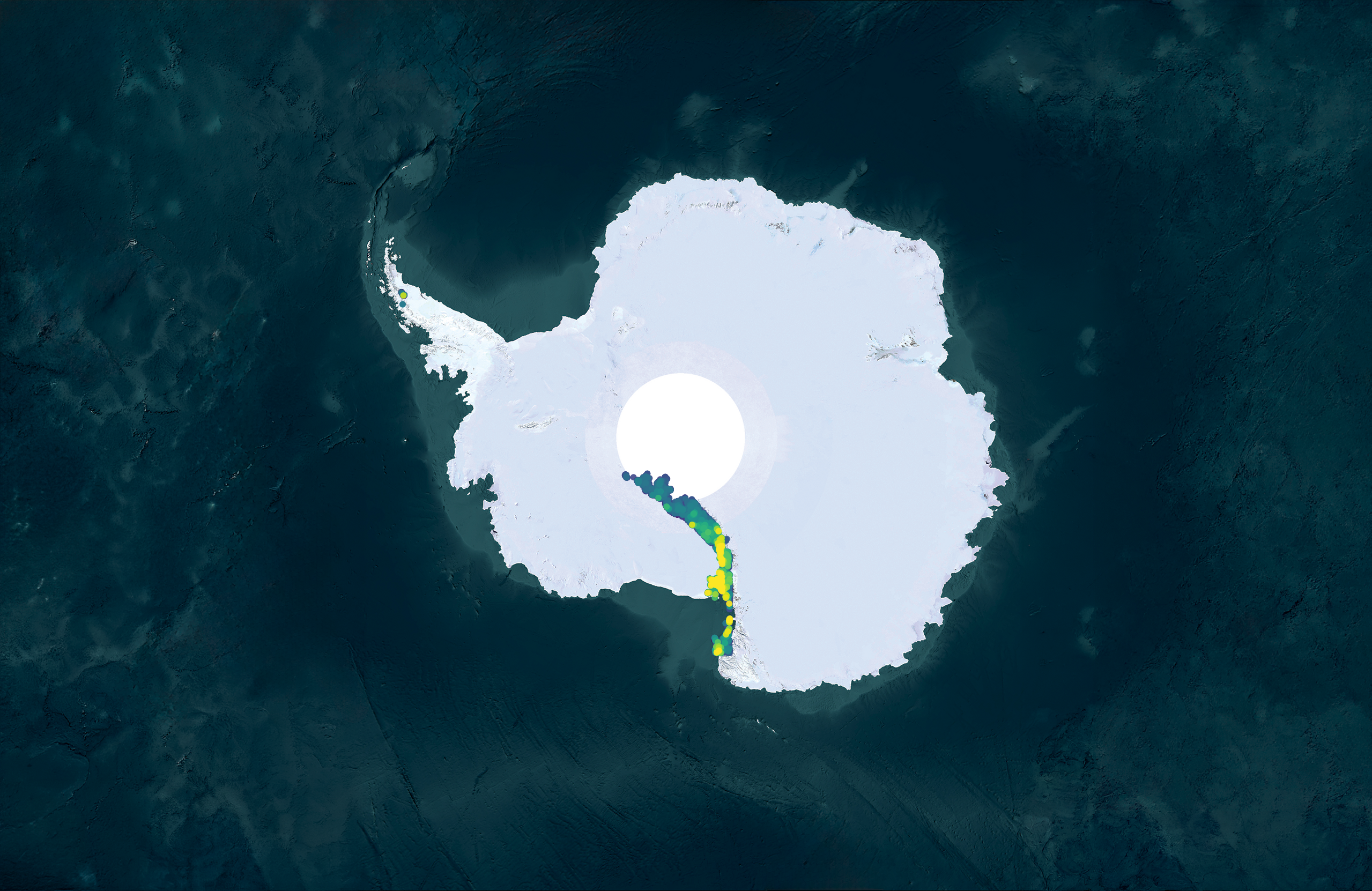
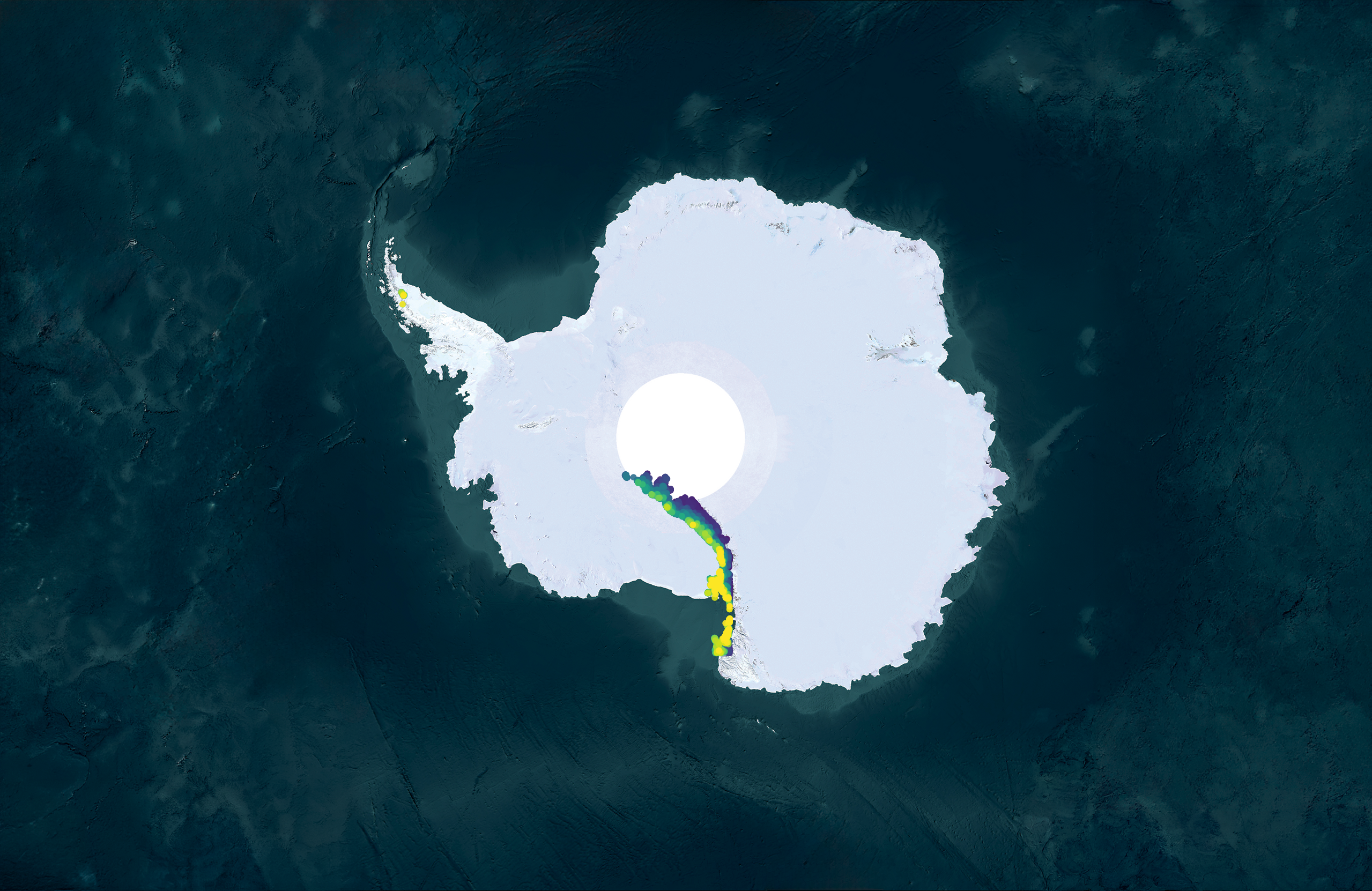
delta-15N Map Phosphorus Map Sodium Map Nickel Map Titanium Map
Low
High

Explore the Predictions

Select a property →

Each layer reveals one of our best predicted geochemical properties in unseen regions.

δ¹⁵N — Nitrogen Isotopes

Why does it look like this?

Penguin and seal colonies enrich coastal soils with marine nitrogen via guano.
Inland areas that are far from any animals show much lower values.

Phosphorus (P)

Why does it look like this?

Coastal zones with high animal activity show elevated phosphorus from guano.
However, inland weathering of parent rock is the main source.

Soluble Sodium (Na)

Why does it look like this?

Sea salt spray carried inland by coastal winds. The Transantarctic Mountains act as a barrier, creating a sharp drop-off into the interior.

Nickel (Ni)

Why does it look like this?

Nickel follows mafic and ultramafic rock formations almost exactly. The sharp prediction color changes indicate real geological boundaries.

Titanium (Ti)

Why does it look like this?

Titanium predictions follow the Ferrar Dolerite volcanic formations. Weathering in Antarctica is so slow that parent rock chemistry is preserved almost unchanged in the soil.

What the predictions unlock

With continent-wide geochemical maps, we can begin to answer questions that were nearly impossible to ask before.

Climate Science

Geochemical predictions are a baseline for tracking how soil conditions evolve, allowing us to quantify the change of elements as global temperatures rise.

Antarctic ice retreat

Smarter Field Work

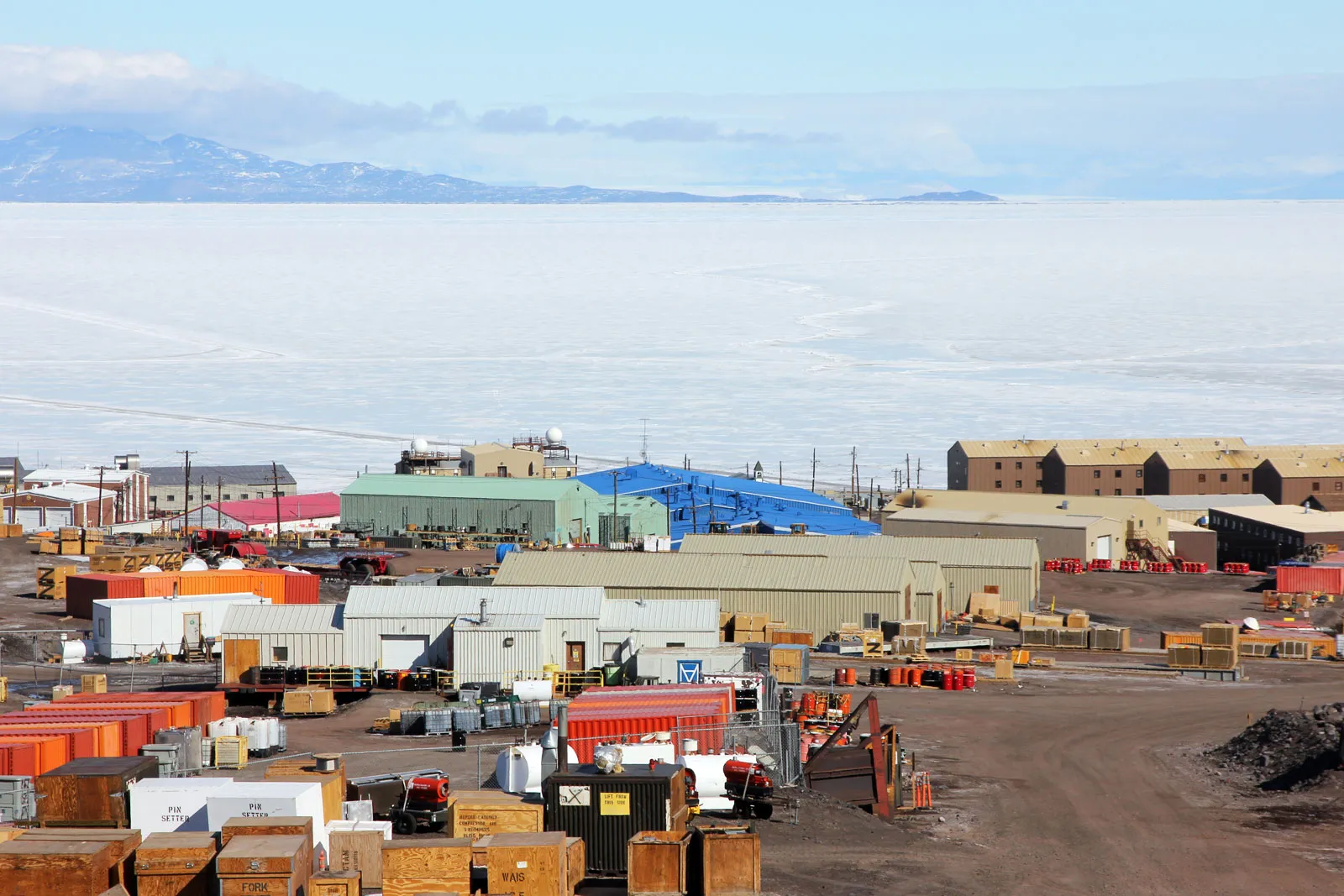
Predictions can help future researchers plan more informed field work expeditions, saving time, resources, and logistical costs,
ultimately maximizing the scientific yield of remote studies

Antarctic field work

Life Beyond Earth

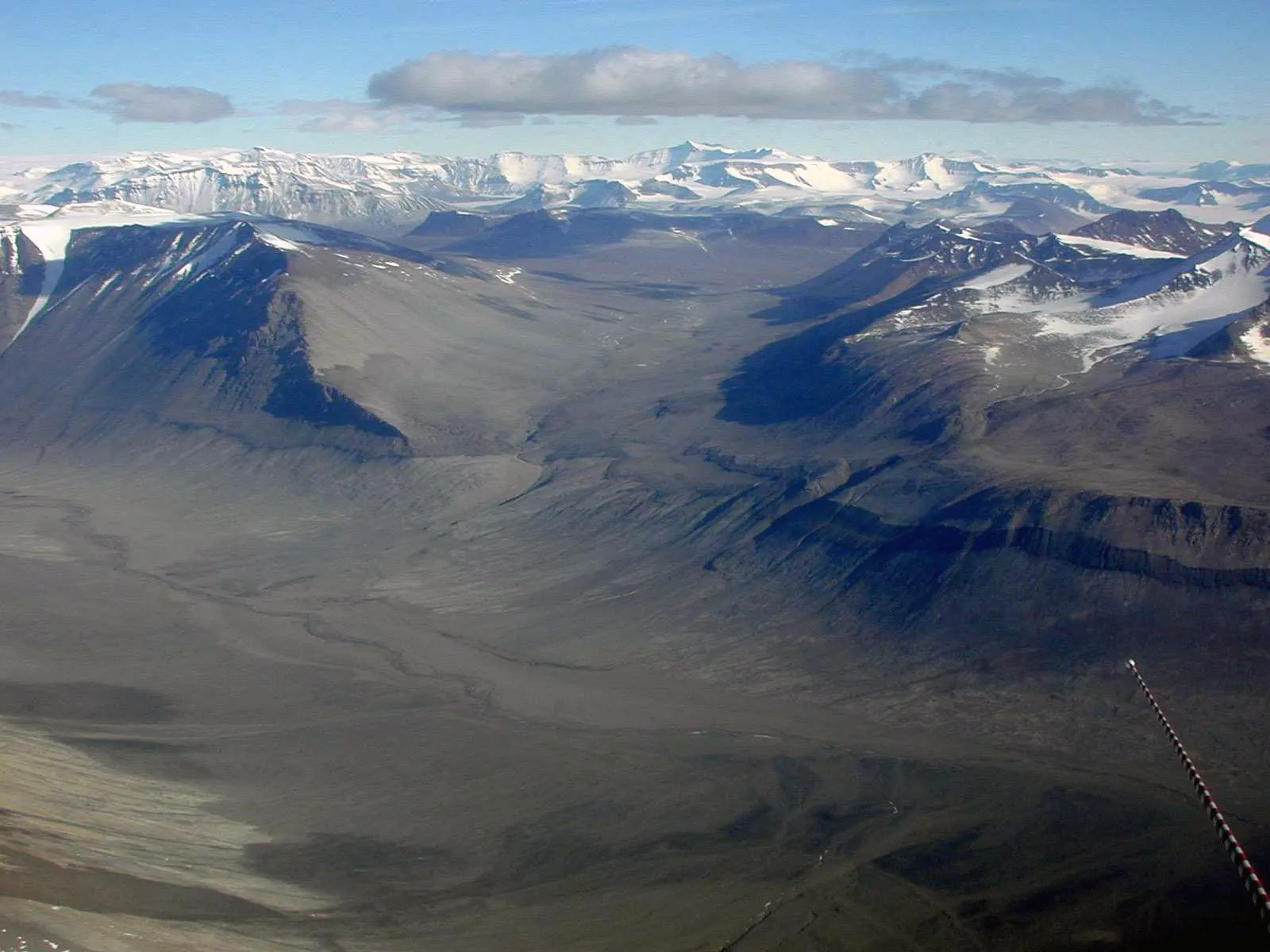
Antarctic soils are our natural best analogue for extraterrestrial life. Understanding what survives here helps us in our search for life beyond our planet.

Antarctic dry valley

The 1%

Predicting Antarctic Soil Geochemistry

Lily Eliason

Interested in learning more? Visit my Github :)

github.com/lilyeliason/ansoil-spatial-prediction

Soil geochemical data provided by the LeMonte Lab of
Environmental Geochemistry
at Brigham Young University.

Environmental spatial layers sourced from REMA, WorldClim, and
SCAR open-access repositories.

This project reflects the very preliminary results of this ML project.

DSPX315 Final Project  ·  Spring 2026  ·  Brigham Young University